
WHOOP 5.0 Review: What It Actually Does
(and Who It’s Really For)
There are two types of wearables right now.
Most smartwatches tell you what you did — steps, calories, workouts.
WHOOP tells you what your body is capable of today.
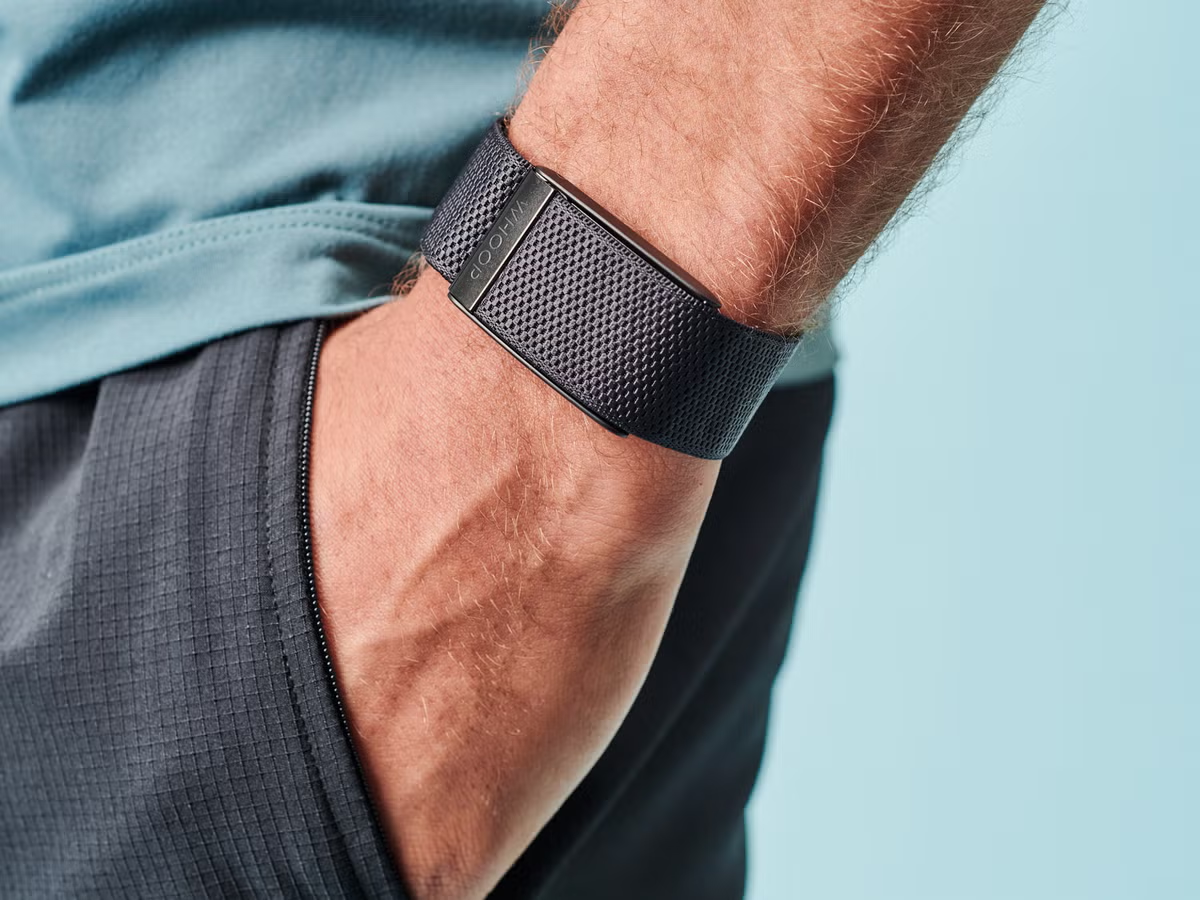
I started paying attention to WHOOP because athletes, entrepreneurs, and high-performance people kept using it — but it doesn’t even have a screen. That alone makes people confused. Why would you wear a fitness tracker that doesn’t show anything?
Because WHOOP isn’t really a watch.
It’s a recovery and performance tracker.
Instead of focusing on activity, WHOOP measures how your body responds to stress, sleep, and lifestyle so you know whether you should push hard, take it easy, or recover. After using it, you realize the goal isn’t tracking workouts — it’s managing energy.
WHOOP 5.0 is a screen-free wearable band that you wear 24/7. It continuously monitors your heart rate, sleep, strain, and recovery and then analyzes that data inside the phone app.
The major upgrade with the 5.0 version is battery life — it lasts over 14 days on a single charge and collects health data around the clock.
It’s also slightly smaller and lighter than previous versions, designed to be worn all day and even while sleeping.
Unlike an Apple Watch, there are no notifications, messages, or distractions. The whole point is passive tracking.
What WHOOP Actually Measures
WHOOP revolves around three core scores:
1. Strain
This measures how hard your body worked that day — not just exercise, but total physical and mental stress. WHOOP evaluates activity and calculates a “strain” value based on cardiovascular load.
2. Sleep
The device tracks sleep stages and quality and recommends exactly how much sleep you need each night.
3. Recovery
This is the feature that makes WHOOP different.
Recovery is calculated using heart rate variability (HRV), resting heart rate, and sleep performance to determine how ready your body is to perform the next day.
Instead of guessing whether you feel tired, the app literally tells you:
train hard
go moderate
or rest
What Makes WHOOP Different From Apple Watch or Fitbit
Most wearables are activity trackers.
WHOOP is a behavior tracker.
It learns patterns and then shows how habits affect you:
alcohol
late meals
stress
travel
caffeine
workouts
sleep schedule
Over time it starts coaching you. For example, many users notice their recovery score drops dramatically after alcohol or poor sleep — and improves when routines stabilize.
It’s less about counting calories and more about optimizing energy and long-term health.
The Pros
Extremely detailed sleep tracking
No screen distractions
24/7 wearability
Very long battery life
Real lifestyle insights (not just workouts)
Helps prevent overtraining
Many people actually end up adjusting bedtime more than workouts once they start using it.
The Cons
The biggest surprise: you don’t actually buy the device — you subscribe.
WHOOP requires an annual membership (roughly $199–$359 depending on plan) .
Also, because it has no screen, everything happens in the phone app. Some users prefer instant feedback during workouts, which WHOOP intentionally avoids.
And if you want a smartwatch replacement with notifications, this isn’t it.
Who WHOOP Is For
WHOOP makes the most sense for:
athletes
gym-goers
runners
business owners under stress
people focused on sleep optimization
biohacking / health optimization
It makes less sense for someone who only wants step counting.
WHOOP is about understanding your body — not your workouts.
Final Thoughts
WHOOP 5.0 isn’t a gadget you wear for convenience.
It’s a device you wear for awareness.
After a few weeks, most people stop caring about steps and start caring about recovery. You begin planning workouts around readiness, improving sleep habits, and noticing how everyday choices affect performance.
In a world where most tech competes for attention, WHOOP does the opposite — it quietly collects data and helps you make better decisions with your time, energy, and health.
And that’s why people who use it tend to keep using it.